
A beautiful garden does not have to demand constant watering, pruning, and seasonal replacement. With the right layout and plant choices, an outdoor space can remain attractive throughout the year while requiring only basic maintenance.
The key is to design the garden around the time and energy you can realistically give it. Instead of filling every empty area with plants, focus on structure, repetition, and durable materials. This approach creates a garden that feels intentional rather than unfinished.
Start With the Way You Use the Space
Before choosing plants, consider how the garden will function in everyday life. Some people need a quiet place to sit, while others want space for children, pets, outdoor meals, or small gardening projects.
Walk through the area and identify:
- The paths you naturally use
- The places that receive morning or afternoon sunlight
- Areas where water collects after rain
- Views you want to improve or screen
- Corners that are difficult to reach
A practical layout reduces future maintenance. For example, placing frequently used plants near the house makes watering and harvesting easier. Keeping narrow planting beds along fences also prevents grass from growing in awkward spaces.
Build the Garden Around Strong Structure
Plants change with the seasons, but structural elements give the garden a consistent appearance. Paths, edging, raised beds, fences, containers, and seating areas help organize the space even when some plants are dormant.
Use a limited number of materials so the garden does not feel visually crowded. Gravel, natural stone, wood, and simple concrete surfaces can work well together when repeated throughout the design.
Defined edges are especially useful in a low-maintenance garden. They prevent soil and mulch from spreading into paths and make lawn trimming easier. A clear border also gives planting areas a cleaner appearance without requiring constant adjustment.
Choose Plants That Match the Conditions
Many garden problems begin when plants are placed in unsuitable locations. A shade-loving plant will struggle in strong afternoon sun, while a drought-tolerant plant may rot in constantly wet soil.
Select plants according to the actual conditions of the garden rather than appearance alone. Consider sunlight, drainage, temperature, mature size, and watering needs.
Plants that are naturally suited to the location usually require less fertilizer, fewer treatments, and less frequent replacement. Native and regionally adapted plants can be particularly useful because they are already accustomed to local weather patterns.
Avoid choosing too many different species. Repeating a smaller selection of reliable plants creates a more unified design and simplifies care.
Use Layers Instead of Filling Every Gap
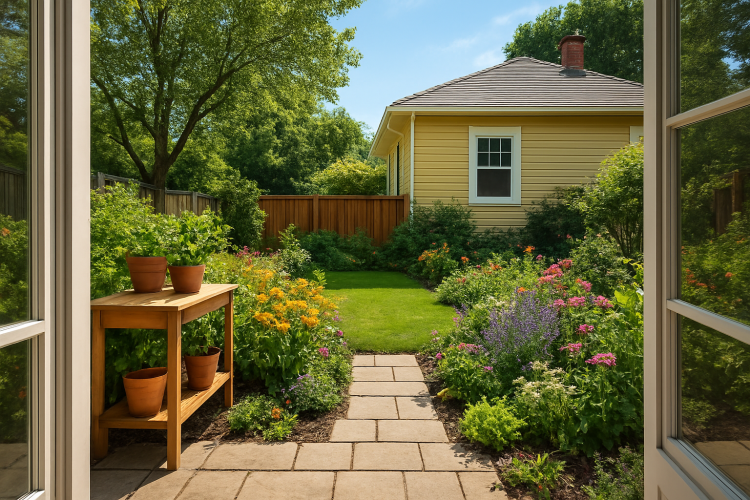
A well-designed garden often includes several layers:
- Taller shrubs or small trees for structure
- Medium-sized plants for seasonal color
- Low-growing plants for ground coverage
- Mulch or gravel in remaining open areas
This layered approach makes the garden feel complete without requiring dense planting everywhere. It also helps reduce weed growth by limiting exposed soil.
When arranging plants, leave enough space for their mature size. New gardens can appear slightly empty at first, but overcrowding creates more work later. Plants placed too closely together may compete for water, block airflow, and require frequent pruning.
Reduce Lawn Areas That Are Difficult to Maintain
A lawn can provide useful open space, but it often requires more regular maintenance than other parts of the garden. Narrow strips, steep slopes, shaded corners, and areas around trees are especially difficult to mow.
These spaces can be replaced with ground-cover plants, mulch, gravel, stepping stones, or wider planting beds. Reducing awkward lawn areas can save time without removing the lawn completely.
Keep grass where it has a clear purpose, such as a play area, open seating space, or visual break between planting zones.
Improve the Soil Before Planting
Healthy soil supports stronger plants and reduces long-term maintenance. Before planting, remove construction debris, compacted material, and persistent weeds. Add organic matter where needed and check whether water drains properly.
Mulch can help retain moisture, reduce weeds, and protect the soil surface. Apply it around plants without piling it directly against stems or tree trunks.
Organic mulch gradually breaks down and improves the soil, while gravel or stone lasts longer and works well in dry planting areas. The best choice depends on the plants and the overall design.
Create an Efficient Watering Plan
A low-maintenance garden still needs water, especially while new plants are establishing roots. However, watering can be made more efficient by grouping plants with similar needs.
Plants that prefer dry soil should not be mixed with plants that require frequent watering. Separate watering zones make it easier to avoid overwatering one area while trying to support another.
Drip irrigation and soaker hoses deliver water directly to the soil and reduce evaporation. Deep, less frequent watering generally encourages stronger roots compared with shallow daily watering.
Containers may need more attention because they dry out faster than garden beds. Larger pots retain moisture longer and are usually easier to manage than many small containers.
Add Seasonal Interest Without Constant Replanting
A garden can change throughout the year without relying heavily on annual flowers. Choose plants that provide different forms of interest, including spring flowers, summer foliage, autumn color, berries, seed heads, or attractive bark.
Evergreen shrubs can provide year-round structure, while ornamental grasses and dried flower heads can remain visually appealing during colder months.
Instead of changing every planting area each season, use a few containers near entrances or seating areas for temporary color. This keeps seasonal work concentrated in places where it has the greatest visual impact.
Keep Maintenance Simple and Regular
Small, regular tasks are easier than occasional major cleanups. A practical routine may include checking irrigation, removing weeds before they spread, trimming damaged growth, and adding mulch when needed.
Avoid pruning every plant into a strict shape unless the design requires it. Natural plant forms usually need less attention and often create a softer, more relaxed appearance.
It is also useful to review the garden once or twice a year. Remove plants that consistently struggle and replace them with options better suited to the location. A low-maintenance garden becomes more successful over time as weak elements are simplified.
Final Thoughts
A low-maintenance garden is not an empty or plain garden. It is a space designed with realistic care requirements in mind. Strong structure, suitable plants, efficient watering, and controlled planting areas can create an outdoor environment that feels established and inviting.
The most effective garden is one that fits naturally into daily life. When every area has a purpose and every plant suits its location, the space becomes easier to maintain and more enjoyable to use.